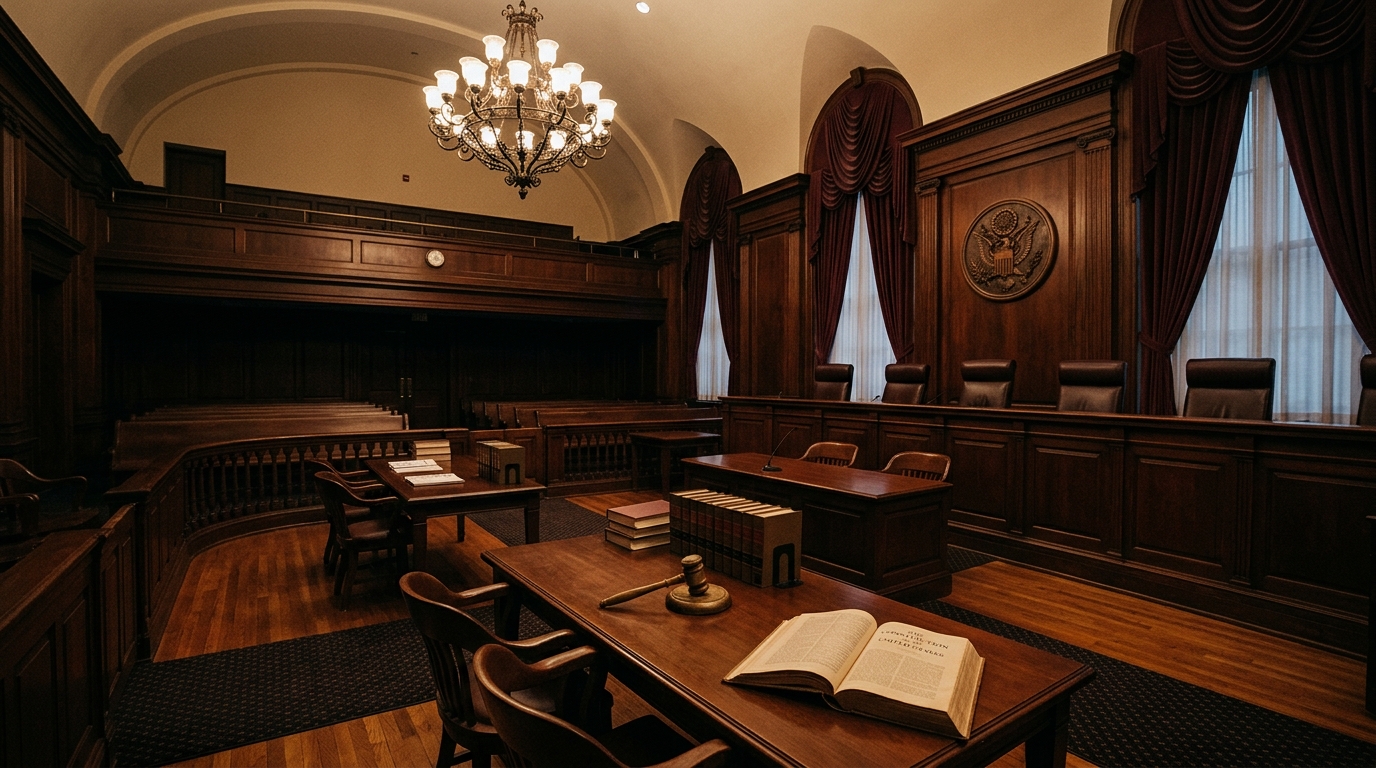
In constitutional law and statutory jurisprudence, an accuser is not merely a party making an informal claim. The role of an accuser carries defined legal duties, privileges, evidentiary thresholds, and potential civil liabilities.
1. The Constitutional Rights of the Accused vs. The Accuser
The foundation of the Anglo-American adversarial legal system hinges on constitutional balancing. Under the Sixth Amendment to the United States Constitution, every individual facing criminal accusation enjoys the right “to be confronted with the witnesses against him.” Known as the Confrontation Clause, this doctrine ensures that an accuser must face cross-examination under oath in open court, subject to judicial penalties for perjury.
Simultaneously, statutory developments such as Rape Shield Laws (Federal Rule of Evidence 412) and victim protection statutes have developed to protect accusers from harassment, unnecessary intrusive cross-examination into unrelated private matters, and retaliation. The legal system continually balances these two pillars: protecting legitimate accusers while preserving the inviolable presumption of innocence for the accused.
2. Whistleblowers as Accusers: The False Claims Act and Qui Tam Actions
One of the most consequential categories of accusers in modern corporate law is the corporate or government whistleblower. Under the federal False Claims Act (31 U.S.C. § 3729), a private individual—acting as a relator—can file an accusation of fraud against government contractors or healthcare networks on behalf of the United States.
- Qui Tam Provisions: Whistleblowers who initiate False Claims Act lawsuits can receive between 15% and 30% of recovered funds, which frequently amount to millions of dollars in major healthcare or defense fraud settlements.
- Anti-Retaliation Safeguards: Federal statutes explicitly prohibit employers from terminating, demoting, or harassing whistleblowers who file accusations under Dodd-Frank, Sarbanes-Oxley, or OSHA.
3. The Boundary Between Protected Allegations and Defamation
A frequent area of legal contention is the civil boundary between protected accusation and actionable defamation (libel and slander). In the United States:
- Absolute Privilege: Statements made directly within judicial proceedings (in complaints, trial testimony, or court affidavits) are generally shielded by absolute litigation privilege from defamation suits.
- Extrajudicial Accusations: Statements made outside the courtroom—such as press conferences, social media posts, or media interviews—do not enjoy absolute privilege and can subject an accuser to defamation per se lawsuits if proved false with actual malice or negligence.
Key Legal Takeaway
Whether navigating high-profile civil litigation, corporate compliance reporting, or criminal defense, understanding the legal distinction between uncorroborated accusation and legally sufficient proof is the cornerstone of justice. At Accuser Media, our ongoing investigative series examines primary court dockets, landmark judicial opinions, and the evolving jurisprudence of legal accusations.
Case Discussion & Whistleblower Disclosure
Public Debate & Video Investigation
Public discussions and community analysis on this docket take place on our YouTube channel. Explore the companion video, breakdown of court exhibits, and contribute to the debate.
Watch & Discuss on YouTubeConfidential Whistleblower Tips
Possess primary court dockets, non-public corporate records, or verified evidence relevant to this investigation? Submit encrypted information directly to our investigative team.
Submit Confidential Tip